Branding & Marketing Strategy
Why Print is the Secret Weapon of Modern Branding
Published Apr 04, 2026 • Blackstone Print
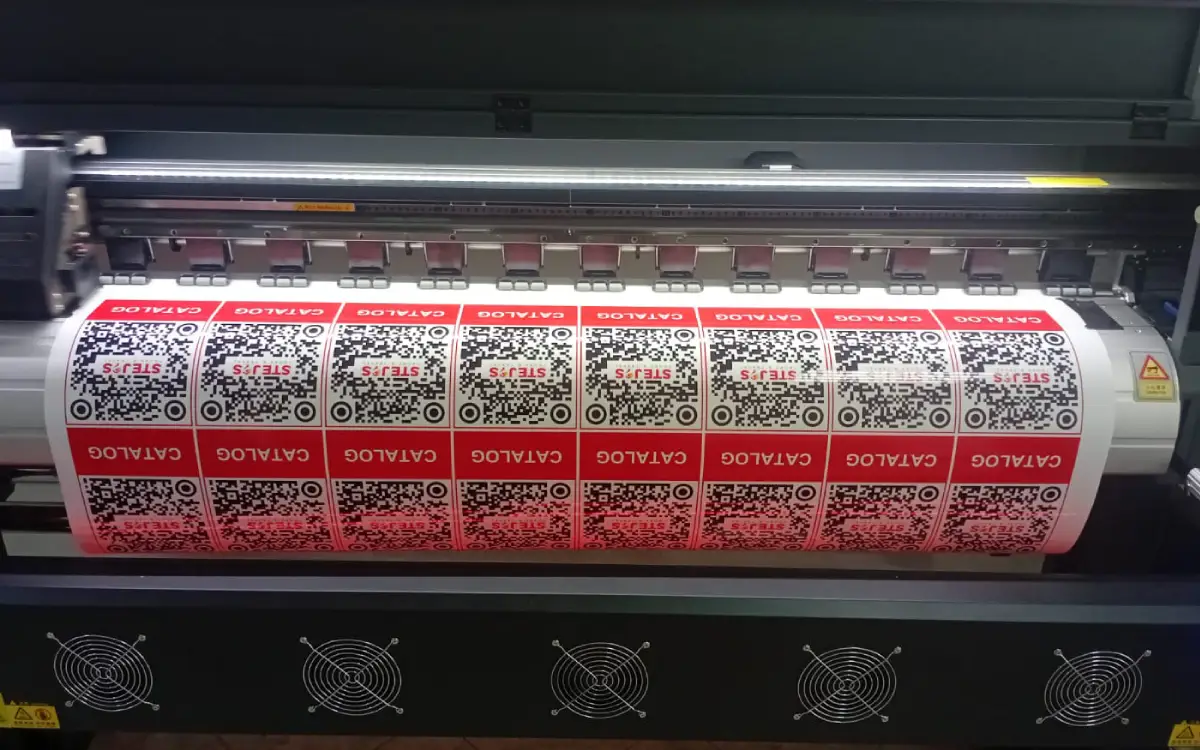
In an era of digital saturation, where the average person is bombarded by thousands of ads per day, "digital fatigue" is a very real phenomenon. While social media and email marketing are essential, they often lack the sensory staying power required to build a lasting brand connection.
The Tangible Advantage: Why Print is the Secret Weapon of Modern Branding
In an era of digital saturation, where the average person is bombarded by thousands of ads per day, "digital fatigue" is a very real phenomenon. While social media and email marketing are essential, they often lack the sensory staying power required to build a lasting brand connection.
As we look at the evolving landscape of marketing strategy, print is no longer just a utility—it is a premium branding tool. Here is how industry leaders are leveraging high-quality print to cut through the noise and establish authority.
1. The Psychology of Tangibility
There is a cognitive "weight" to physical media that digital screens cannot replicate. Studies in neuromarketing suggest that physical materials leave a deeper "footprint" in the brain. When a client holds a thick, textured business card or flips through a well-designed brand lookbook, they aren't just consuming information; they are experiencing your brand through touch.
-
The Insight: High-quality paper stocks and unique finishes (like soft-touch lamination or spot UV) signal stability and attention to detail.
2. Bridging the Gap: The "Phygital" Experience
The most successful modern marketing strategies don't choose between print and digital—they integrate them. Thought leaders are using print as a high-conversion gateway to their digital ecosystems.
-
Smart Integration: Incorporating custom QR codes, Augmented Reality (AR) triggers, or personalized URLs (PURLs) on direct mailers allows you to track physical engagement with digital precision.
-
The Strategy: Use a beautifully printed invitation or postcard to drive traffic to a high-converting landing page, creating a seamless multi-sensory funnel.
3. Cutting Through the "Inbox Clutter"
While an email can be deleted in a fraction of a second, a high-end piece of print marketing often sits on a desk or a coffee table for days. This "dwell time" is invaluable for brand recall.
-
Direct Mail 2.0: Moving away from "junk mail" and toward curated direct mail. Sending a high-quality, personalized "Thank You" card or a quarterly industry report to your top-tier leads establishes you as a partner, not just another notification on their phone.
4. Sustainability as a Brand Statement
Today’s consumers align themselves with brands that share their values. In the printing domain, leadership means prioritizing the planet.
-
The Eco-Strategy: Using FSC-certified recycled papers and vegetable-based inks isn’t just good for the environment—it’s a powerful marketing narrative. It tells your audience that your brand is forward-thinking and responsible.
Moving Beyond the "Order"
At its core, a printing shop shouldn't just be a place where you "get things printed." It should be a laboratory for brand identity. In the modern marketplace, identity is currency. Whether you are a startup looking to make a first impression or an established firm undergoing a rebrand, the physical artifacts you leave behind are the most durable parts of your legacy.
Final Thought: In a world that is increasingly ephemeral and virtual, print provides the one thing customers crave most: Something real.